Randoseru meaning in Japan
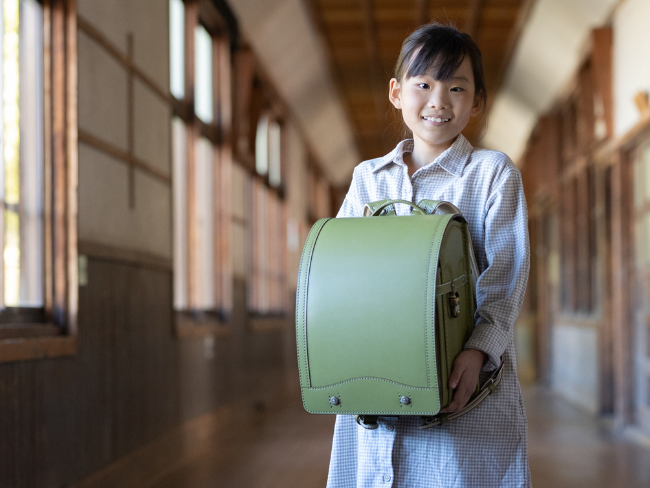
A randoseru is a traditional Japanese school backpack that combines durability, a distinctive box-shaped design, and practical functionality for everyday school life.
While in Japan, the word “randoseru” is often used as is, it is sometimes translated as Japanese-style backpack.
Looking back at its history, the randoseru has never been just a bag for children — it has been a faithful companion throughout six years of elementary education, symbolizing both growth and learning.
For people overseas, it stands as a reflection of Japanese culture and tradition.
What is a Randoseru?

The randoseru is a distinctive high-quality backpack designed specifically for Japanese elementary school students. becomes a vibrant symbol of Japanese culture during the picturesque cherry blossom season in April, it is one of the initiation events of the life.
Made primarily of genuine leather or durable synthetic materials, it is crafted to safely carry heavy textbooks and school supplies every day, while providing comfort and durability.
Its iconic boxy shape, firm structure, and shoulder carrying style offer both functionality and safety, allowing children to keep their hands free.
The randoseru is a symbol of Japanese school culture, representing a unique style of bag rarely seen outside of Japan.
The box-shaped randoseru is believed to have originated at Gakushuin, a prestigious educational institution in Tokyo. In those early years, while school uniforms were adopted, the methods of commuting varied among students, and some children did not carry their own items. Gakushuin emphasized the importance of equality among students, advocating that the home environment should not influence educational opportunities. This philosophy led to the belief that all students should bring their own school supplies. At that time, a military-style backpack was an ideal choice due to its practicality—easy to carry and designed to free up both hands.
The Origin and History of the Randoseru
The randoseru traces its origins to the Edo period, when it was used by the military as a backpack to carry supplies.
In 1887, when the Prince Taisho entered Gakushuin School, Hirobumi Ito presented him with a specially crafted box-shaped randoseru.
This event popularized the use of the box-shaped randoseru — particularly among wealthy families — as a school bag for students.
The word “randoseru” comes from the Dutch word “ransel.”
By 1890 (Meiji 23), the Gakushuin student regulations mandated the use of a black leather backpack, establishing detailed specifications that formed the standard design still used today — a design that has remained unchanged for over 100 years.
Spread to Urban Areas
In the early Showa era, with the introduction of Western-style school uniforms, the randoseru began to be adopted mainly by boys in urban areas and later gained popularity among girls.
However, in rural regions, it was still common to use a furoshiki (a traditional square cloth) to wrap textbooks and school supplies for carrying.
Post-War Popularity
After World War II, the use of leather was no longer restricted, and as the volume of school materials increased, the randoseru became an essential item for students nationwide.
At the time, most randoseru were made of cowhide leather and, despite being about two sizes smaller than today's models, weighed around 1,600 grams.
Later, the introduction of synthetic materials and the change in textbook sizes (to B5) led to further innovations in shape, size, and weight.
Initially crafted from nume leather, the early randoseru were strong but heavy and vulnerable to rain.
Over time, advancements in materials and manufacturing led to randoseru made from leather and synthetics with enhanced durability and water resistance.
Why Does the Randoseru Remain Part of Japanese Culture?
1. Superior Functionality
The randoseru allows hands-free use, grows with the child, and is durable enough for six years of daily use.
Modern randoseru, even those made from genuine leather, are treated for water resistance, making them easy to care for and long-lasting.
Recently, thanks to anime influence and its functional, spacious design, the randoseru has gained global popularity, even among adults outside Japan.
2. Evolution by Craftsmen
While preserving its traditional shape, the randoseru has evolved over time — becoming lighter, featuring diverse designs, and adapting to modern trends.
Craftsmen continue to refine its features, making it a beloved and functional school bag even after more than 100 years.
3. Instilling the Value of Caring for Possessions
In Japan, it is customary for children to use the same randoseru for their entire elementary school life.
Typically purchased when the child is 4 to 6 years old, the randoseru becomes a part of their childhood, often lasting longer than anything else they own.
While selecting a durable randoseru is no easy task for parents, giving a high-quality item teaches children that caring for possessions ensures longevity.
This practice reflects the Japanese cultural mindset of respecting one's belongings and supports a sustainable way of life.
The Randoseru — More Than Just a School Bag
The randoseru is not merely a bag; it is a heartfelt gift in Japanese culture.
Often given by grandparents to their grandchildren as they enter elementary school, it carries messages like “Study hard” or “Stay safe at school.”
In modern Japan, the emergence of “Rankatsu” (randoseru-hunting) reflects how parents carefully choose the perfect randoseru, influenced by SNS trends and the desire to invest more in their child's future.
The tradition of using the same backpack for six years teaches children to value their belongings.
Recently, many people even choose to have their randoseru remade into wallets or accessories after graduation, ensuring the randoseru lives on as a lifetime memory — reflecting Yamamoto Bag Workshop’s concept of “A Lifetime Companion”.
Randoseru Means 'A Gift for My Own Child' to Us
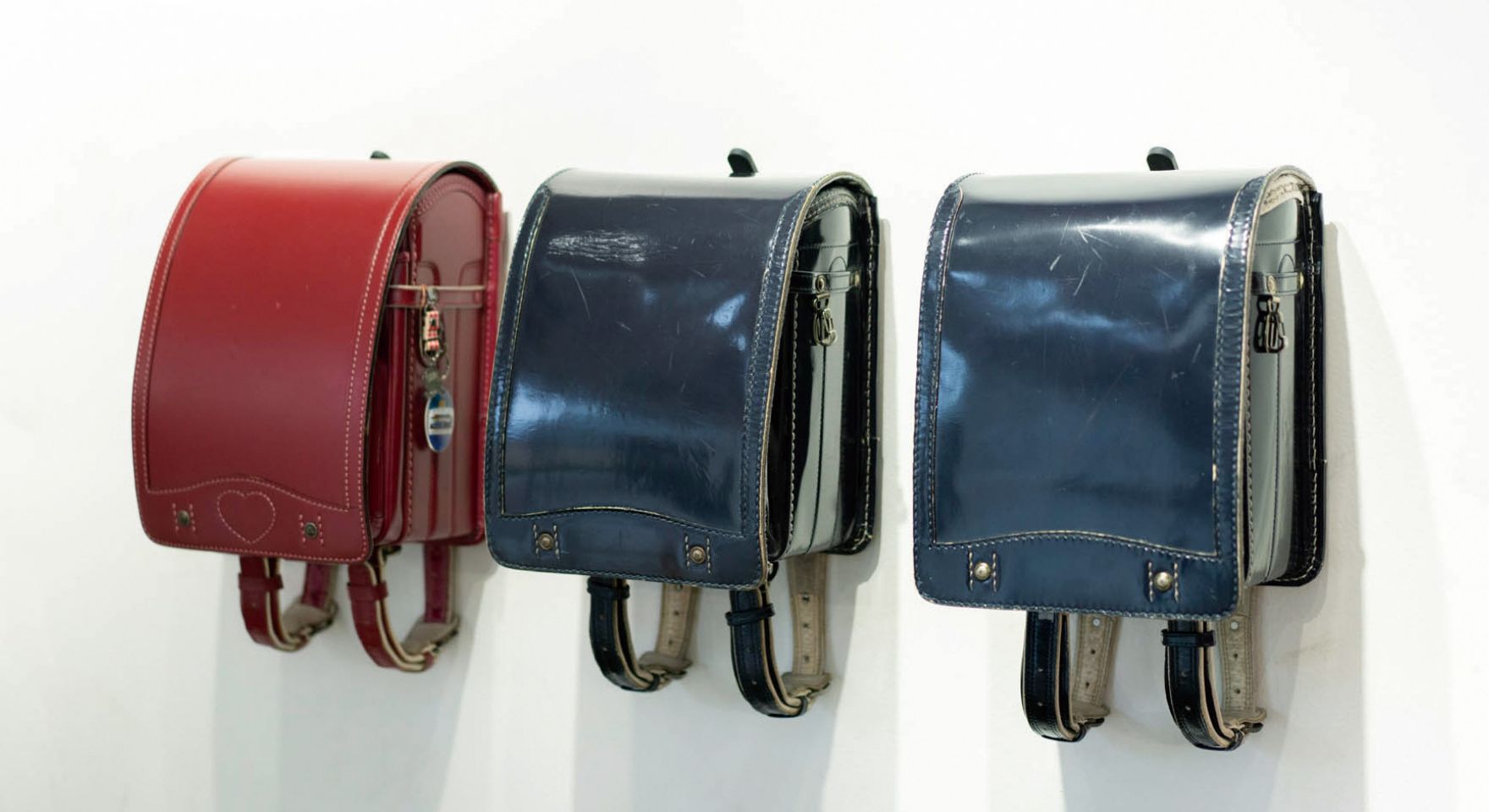
On a winter's day, just before his eldest son was set to start elementary school, Kazuhiko Yamamoto, the current chairman, decided to create the best and most special school bags for his child.
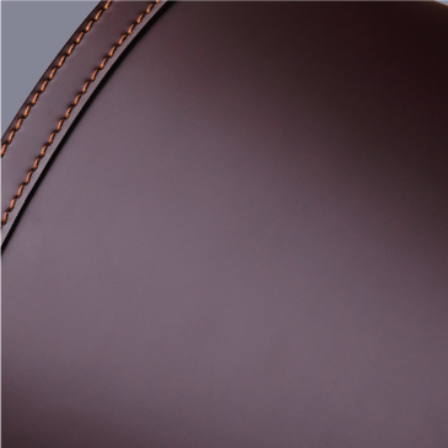
He began crafting high-quality randoseru from premium Cordovan leather, known as the diamond of leather, and crafted with great care and attention to detail, enhanced by his own skills and experience.
The randoseru was meticulously designed with the utmost care and his extensive experience.
The randoseru was handcrafted with the intention of being "for my own child."
After considerable trial and error, a shiny dark blue randoseru was completed.
While black was a tradition and popular choice for boys (red was for girls), he designed a unique school bag for his son, who cherished the color blue.
Needless to say, his son was delighted with his randoseru. At school, he is instantly recognized at school as "the boy with the dark blue randoseru," helping him make many friends.
After six years of adventures, the randoseru remained intact, never losing its shape or broke, but instead becoming more beautiful, celebrating graduation day alongside its owner.
More or less 30 years later, the exquisite texture of the randoseru remains, and its aging has only enhanced its appeal.
This represents the prototype of the "New Antique," a strong and beautiful randoseru that retains its shape even after six years of use.
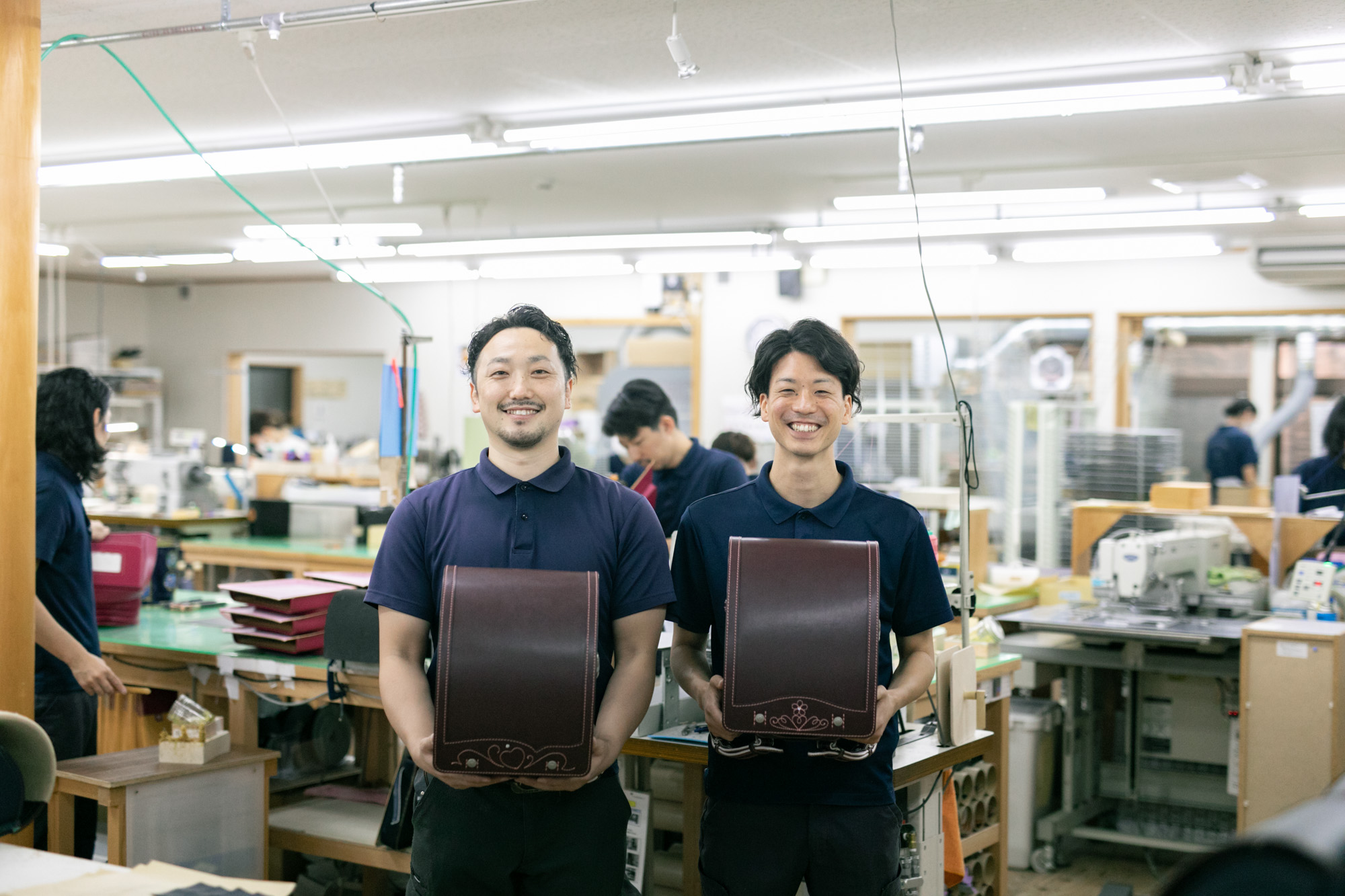
Following the craftsman create for his first son's randoseru, enhancements were made for his second son and eldest daughter, resulting in a total of three randoseru crafted for the current chairman's children. These three randoseru stand as symbols of the Yamamoto Bag Factory & Shop. At our factory, we cherish to create randoserus as if they are gifts for our own children.
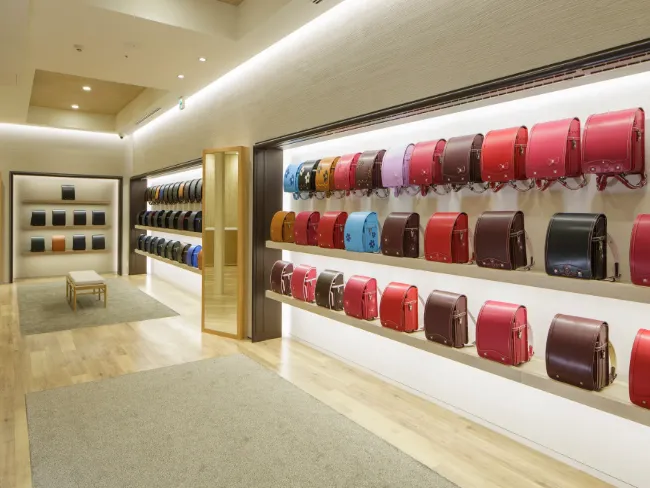
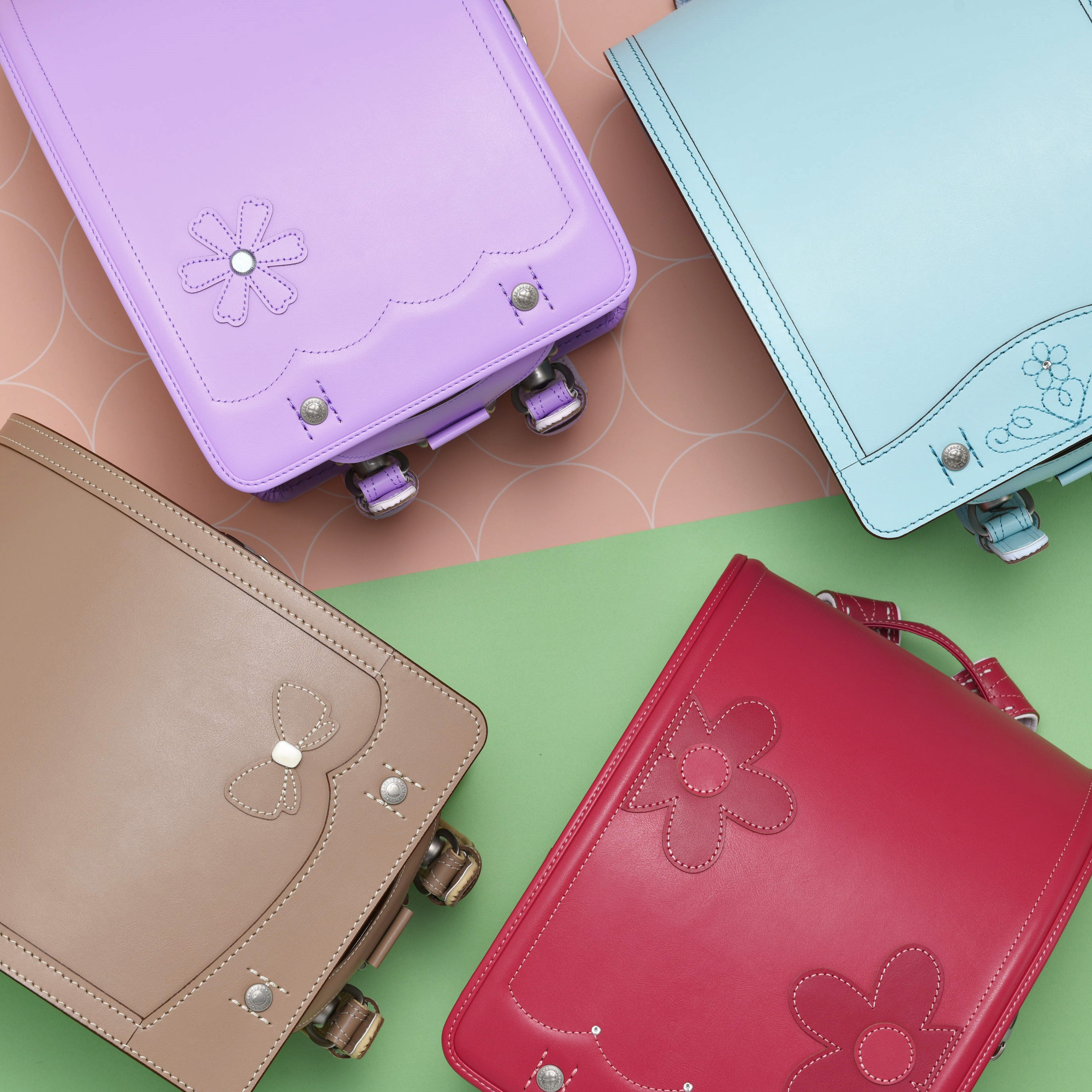
When considering the purchase of a randoseru, parents gather information of durability, specification and price, materials from online and social media platforms such as Twitter and Facebook, and try to find their children's favourite colors not just black and red, but also pink, navy blue, brown. With options now sold both in physical stores and through online sites, parents can easily choose the perfect randoseru for their children.
In a modern context, Yamamoto Bag Factory & Shop carefully creates randoseru like a gift for my own child at our own factory in Nara, Japan, aiming to bring many smiles to each family. We would like to continue to support them from their backs as the cherry blossoms bloom in April and a new generation of students, dressed in their uniforms and carrying their randoseru, steps into a world of learning and adventure.
From Japan to the World: Sharing Our Cherished Craftsmanship
We are delighted that more international visitors are coming to Japan to purchase a randoseru.
Whether as a gift for a child’s enrollment or a fashionable bag for yourself, choosing a randoseru is a memorable experience that connects you with Japanese culture.
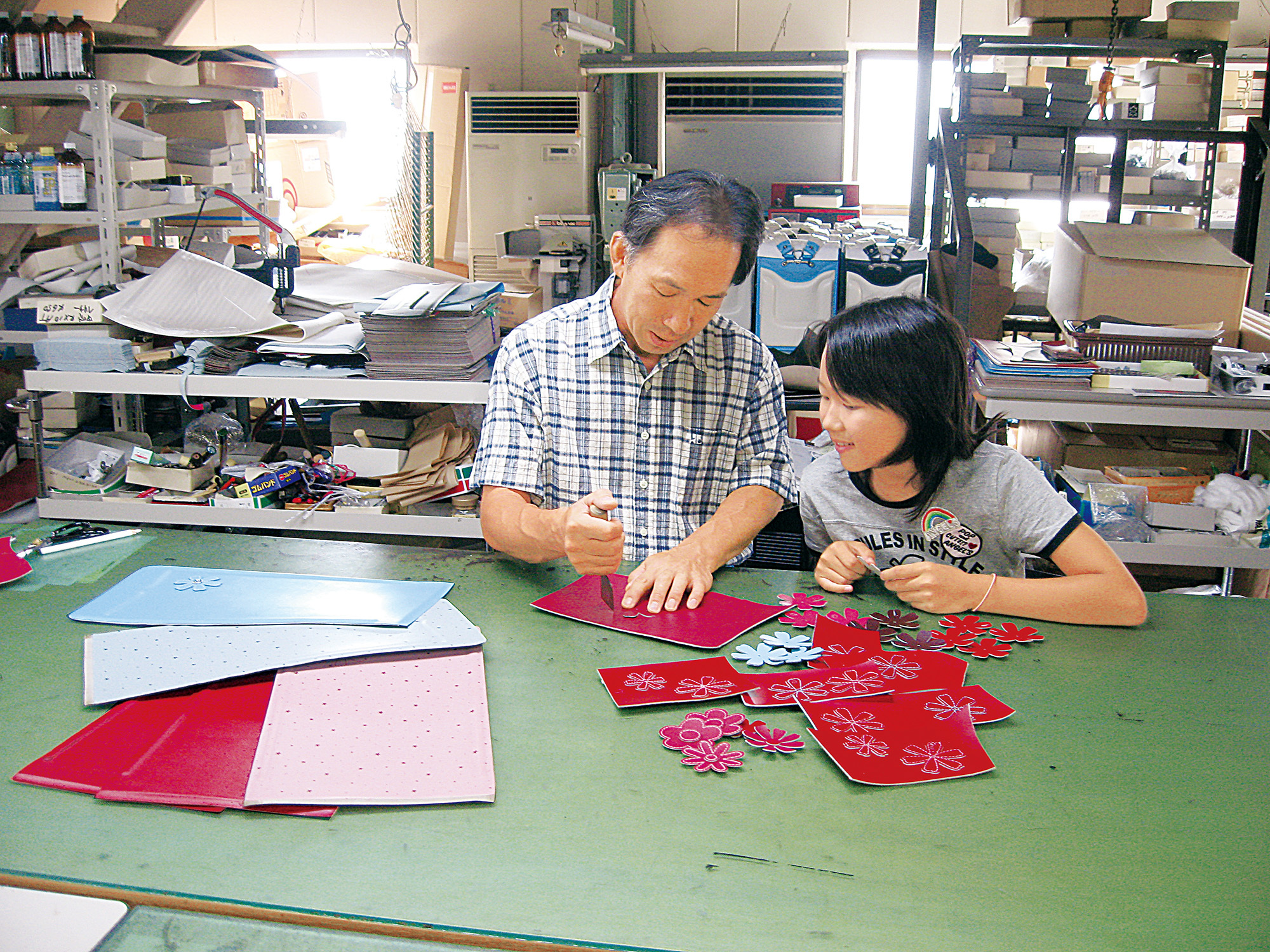
At Yamamoto Bag Workshop, we offer a wide variety — from cordovan leather models to lightweight synthetic designs — available in many colors and styles.
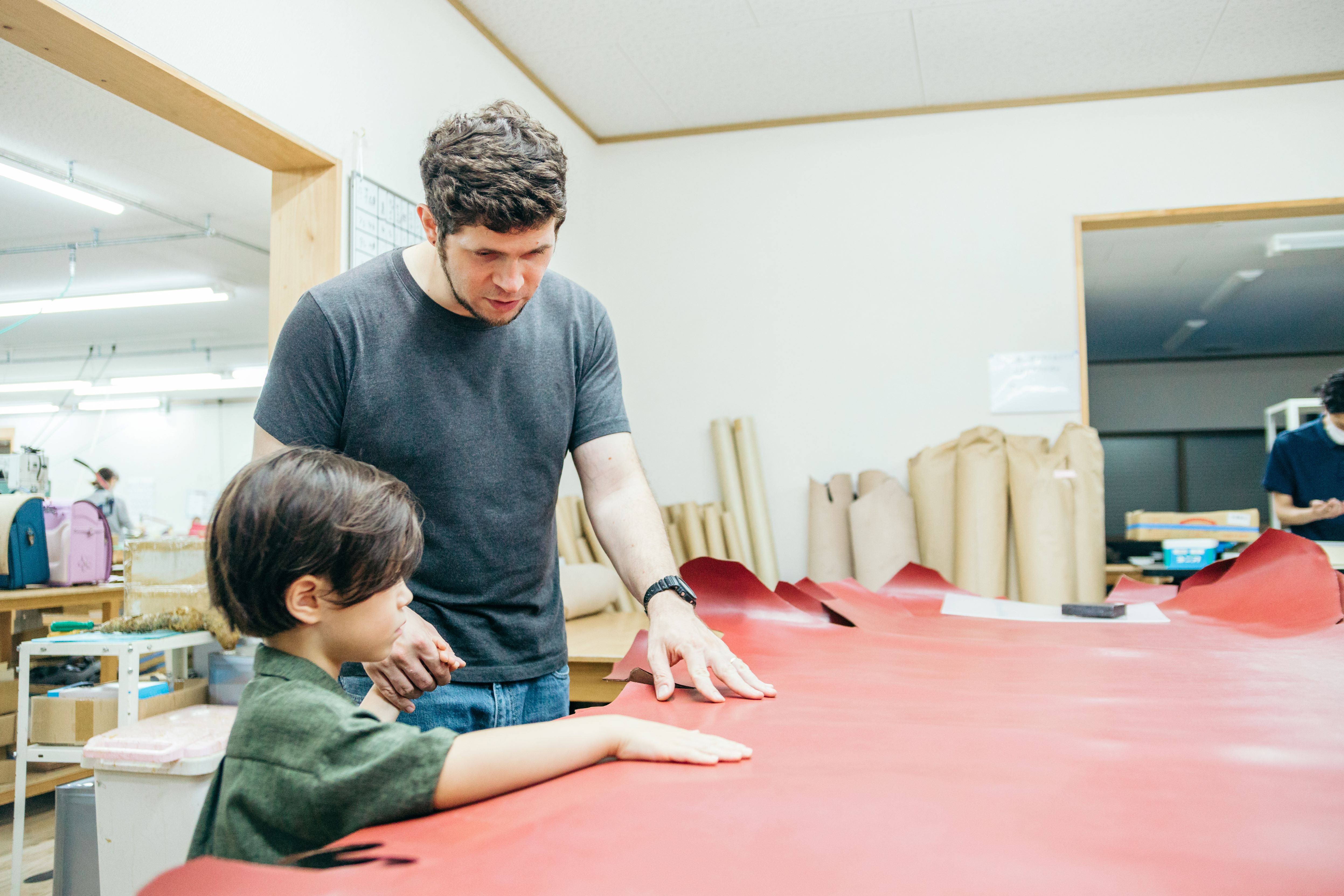
You can shop conveniently in Tokyo (Ginza) or Osaka (Umeda), or visit our main store in Nara, where you can watch our artisans at work and experience the craftsmanship firsthand.
One of the unique features of the randoseru is its adjustable shoulder straps (from about 53cm to 74cm), making it possible for both children and adults to share the same bag.
We hope you enjoy choosing your randoseru as a family and create a lasting connection through fashion and tradition.
We invite you to make the randoseru not just a bag, but a cherished companion in your life.
-1.jpeg?w=960&h=960)
Related Colums
.png?w=650&h=488)